 | 09 Nov 2026
Polar ocean–cryosphere dynamics across past, present, and future climate states: AWI research highlights 2021–2025

Almut Brunner
Gesine Mollenhauer
Christian Haas
Thomas Laepple
Torsten Kanzow
Ilka Weikusat
Monica Ionita
Olaf Eisen
Florian Adolphi
Vera S. N. Schlindwein
Angelika Humbert
Karsten Gohl
Juliane Müller
Klaus Grosfeld
Johann P. Klages
Frank Lamy
Gregor Knorr
Walter Geibert
Maria Hoerhold
Ingo Sasgen
Daniela Jansen
Rebecca McPherson
Junjie Wu
Xinyue Li
Thomas Krumpen
Hanna Knahl
Helge Goessling
Renate Treffeisen
Peter Koehler
Thomas Jung
Related authors
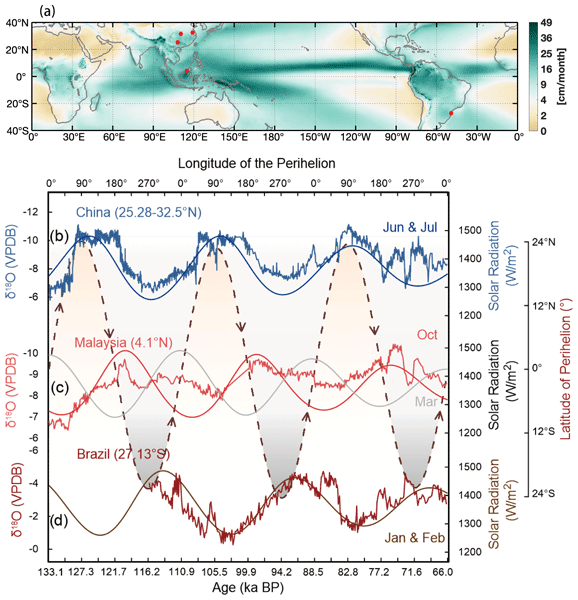
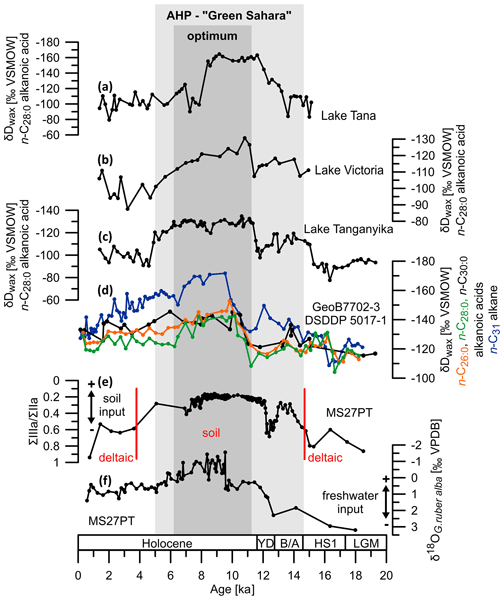
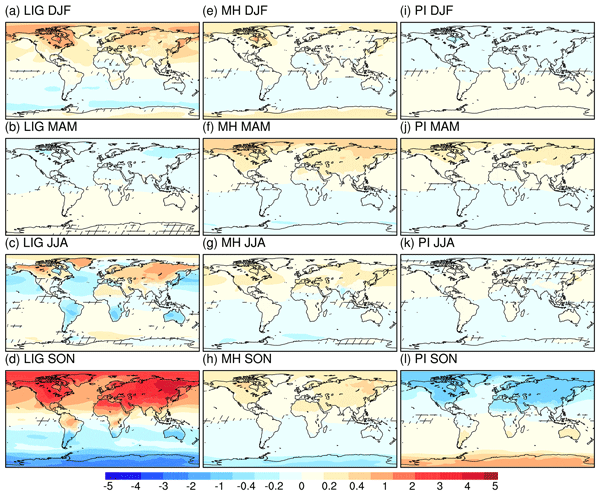
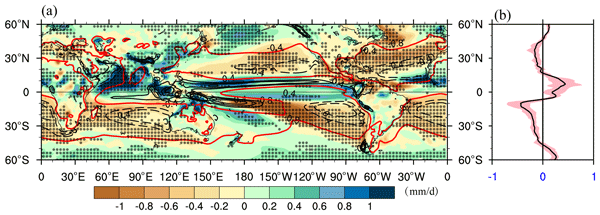
For 1 century, the hemispheric summer insolation is proposed as a key pacemaker of astronomical climate change. However, an increasing number of geologic records reveal that the low-latitude hydrological cycle shows asynchronous precessional evolutions that are very often out of phase with the summer insolation. Here, we propose that the astronomically driven low-latitude hydrological cycle is not paced by summer insolation but by shifting perihelion.
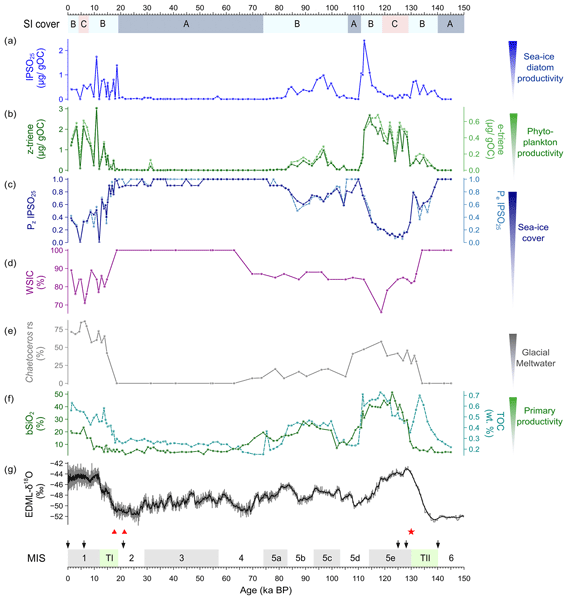

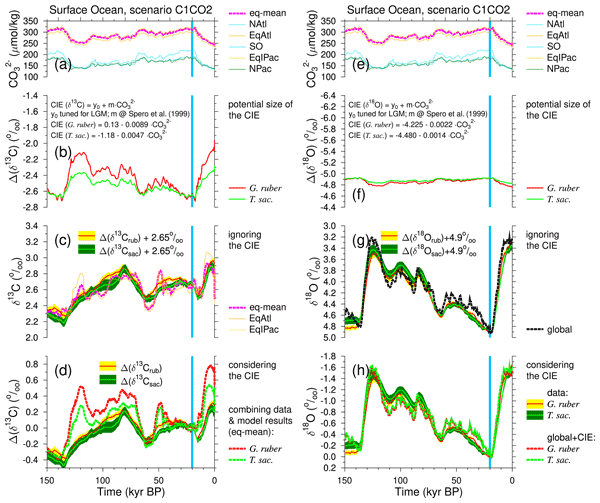
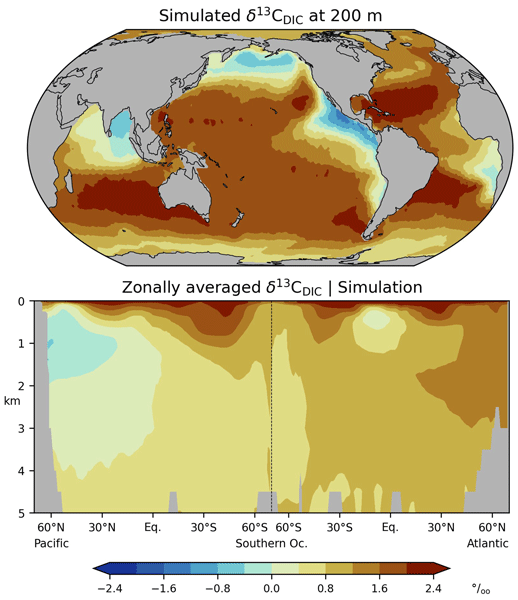
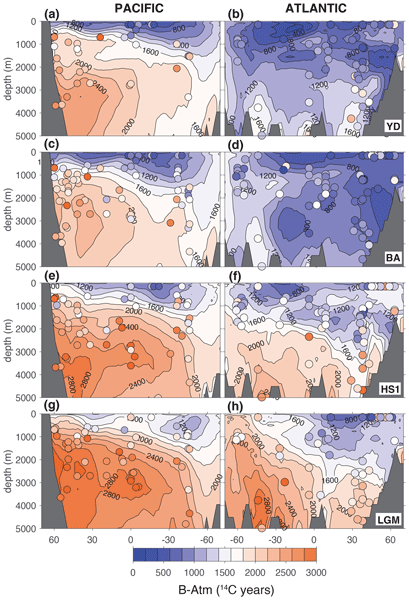
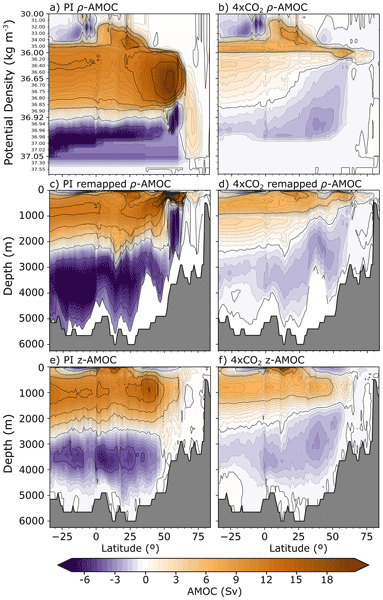
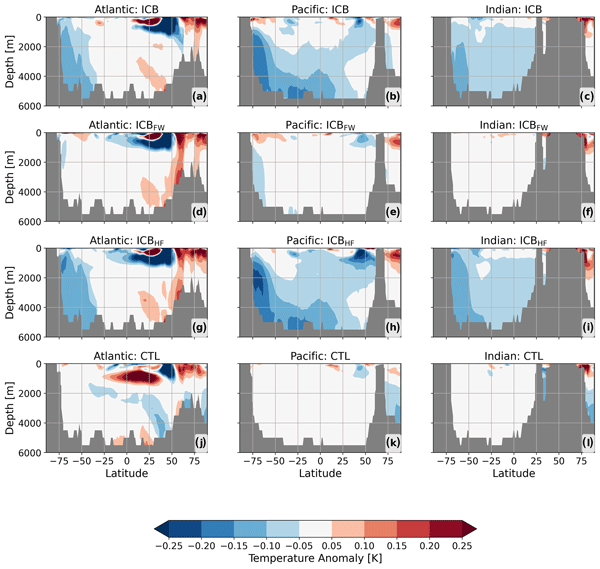
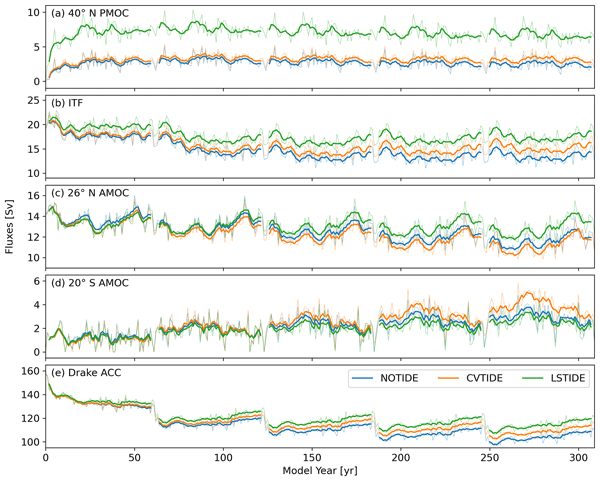
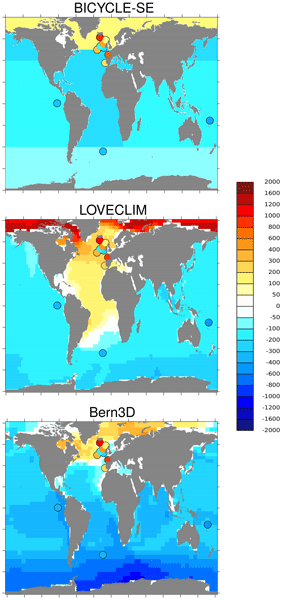
Our study examines the Atlantic Meridional Overturning Circulation (AMOC) during the Last Glacial Maximum (LGM), a period with higher tidal dissipation. Despite increased tidal mixing, our model simulations show that the AMOC remained relatively shallow, consistent with paleoproxy data and resolving previous inconsistencies between proxy data and model simulations. This research highlights the importance of strong ocean stratification during the LGM and its interaction with tidal mixing.



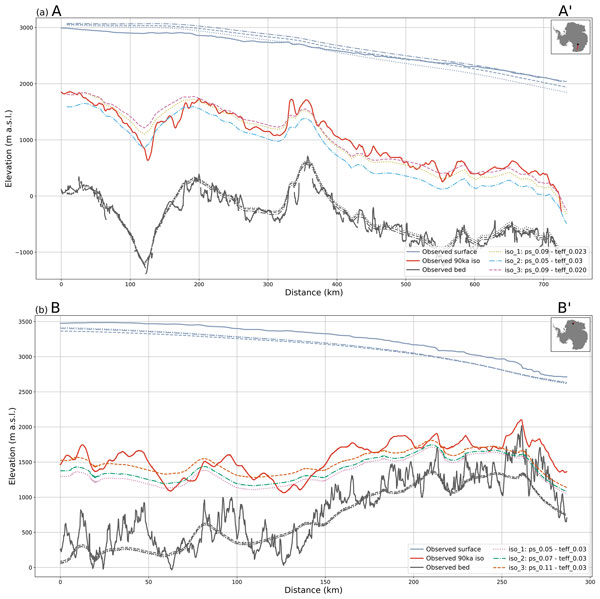

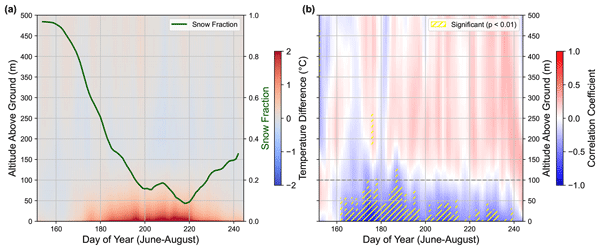
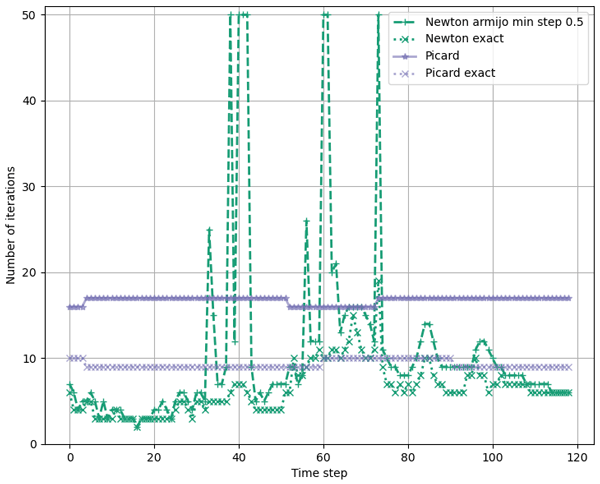
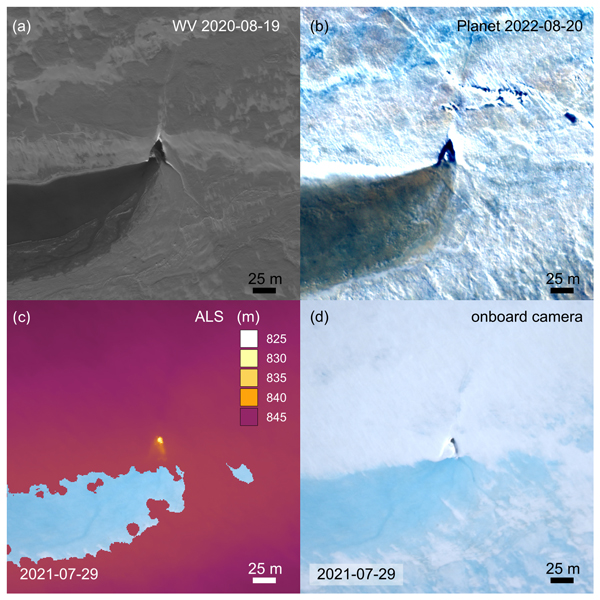
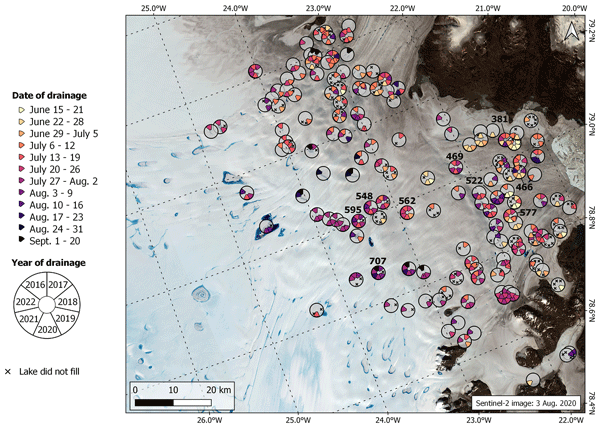
We construct a mathematical model to describe the formation of lakes on the Greenland Ice Sheet across multiple years. The model represents the dynamics of ice, snow, and surface water, accounting for the influence of air temperature. Our results indicate that lakes can enhance ice melt by absorbing sunlight, thereby accelerating the loss of Greenland ice under realistic scenarios of temperature increase.
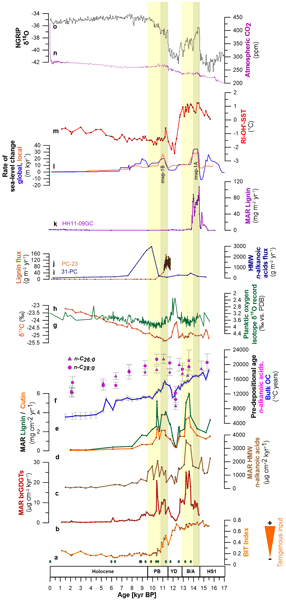
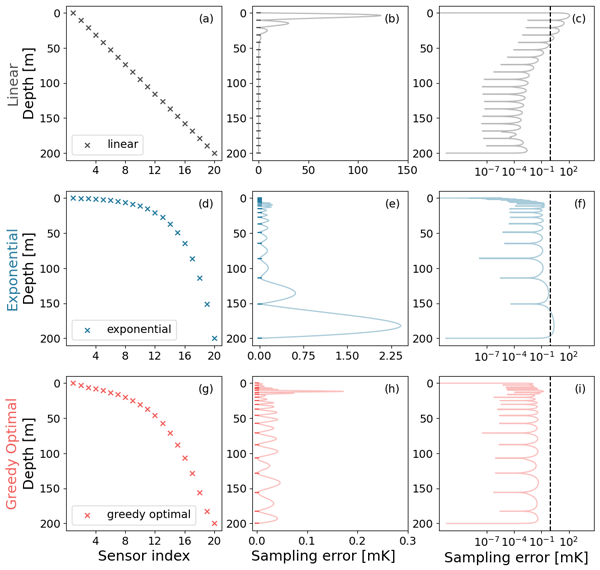

For 1 century, the hemispheric summer insolation is proposed as a key pacemaker of astronomical climate change. However, an increasing number of geologic records reveal that the low-latitude hydrological cycle shows asynchronous precessional evolutions that are very often out of phase with the summer insolation. Here, we propose that the astronomically driven low-latitude hydrological cycle is not paced by summer insolation but by shifting perihelion.


Our study examines the Atlantic Meridional Overturning Circulation (AMOC) during the Last Glacial Maximum (LGM), a period with higher tidal dissipation. Despite increased tidal mixing, our model simulations show that the AMOC remained relatively shallow, consistent with paleoproxy data and resolving previous inconsistencies between proxy data and model simulations. This research highlights the importance of strong ocean stratification during the LGM and its interaction with tidal mixing.